Your pool should be a place to relax, not a constant drain on energy and expenses. Many pool systems operate longer and harder than necessary, quietly increasing electricity costs over time. By making smarter choices in equipment, maintenance, and daily operation, you can significantly improve efficiency without compromising water quality or comfort. These practical energy-saving tips will help you get more from your pool while using less power.
Understand Where Pool Energy Is Used
Before reducing energy costs, it’s important to understand where your pool consumes the most power. Most pool systems run multiple components simultaneously, and even small inefficiencies can significantly increase electricity usage over time.
- Pool pumps (largest energy consumer): Pumps circulate water through the filtration system and often run for several hours daily, making them the biggest contributor to overall energy use.
- Pool heating systems: Heaters work to maintain comfortable water temperatures, especially during cooler months, and can consume substantial energy if not properly managed.
- Filtration and circulation: Filters and circulation systems ensure clean, safe water but require consistent pump operation, which directly impacts power consumption.
- Pool lighting: Traditional pool lights draw more electricity and are often left on longer than necessary, increasing energy costs.
- Water evaporation and heat loss: Heat lost through evaporation forces heaters to work harder, raising energy usage even when the pool is not in active use.
Upgrade to an Energy-Efficient Pool Pump
Upgrading to a more efficient pump can dramatically reduce electricity usage while maintaining proper circulation and water quality.
Why Traditional Single-Speed Pumps Waste Energy
Single-speed pumps operate at one constant, high speed regardless of demand, leading to unnecessary energy use.
- Run at maximum power even for basic filtration.
- Consume more electricity than required for daily circulation.
- Create higher wear on system components.
- Increase long-term operating costs.
Benefits of Variable-Speed and Multi-Speed Pumps
Energy-efficient pumps offer flexibility and precision that traditional models lack.
- Adjust speed based on filtration, cleaning, or heating needs
- Use significantly less electricity at lower speeds
- Operate more quietly than single-speed pumps
- Extend pump and equipment lifespan
- Often qualify for energy-efficiency rebates
How Adjusting Pump Speed Reduces Power Usage
Lower pump speeds move water more efficiently with less resistance.
- Reduced motor strain lowers electricity consumption.
- Longer run times at low speed use less energy than short high-speed cycles.
- Improved filtration due to slower, more consistent water flow.
- Optimized performance for everyday circulation.
Ideal Run-Time Schedules for Maximum Efficiency
Efficient scheduling prevents overuse while maintaining clean water.
- Run the pump longer at low speed for daily filtration.
- Use higher speeds only for vacuuming or backwashing.
- Schedule operation during off-peak energy hours when possible.
- Adjust run times seasonally based on pool usage.
Long-Term Cost Savings vs. Upfront Investment
While energy-efficient pumps cost more initially, they deliver strong returns over time.
- Significant reductions in monthly energy bills.
- Lower maintenance and repair costs.
- Longer equipment life reduces replacement expenses.
- Payback period typically achieved within a few years.
Optimize Pool Pump Run Time
By aligning pump run time with actual pool needs, you can reduce energy costs while keeping water clean and balanced.
Avoid Running the Pump Longer Than Necessary
More run time does not always mean better water quality.
- Excessive operation increases electricity consumption.
- Proper filtration can often be achieved in fewer hours.
- Efficient pumps perform better with optimized schedules.
- Overuse accelerates wear on pump components.
Best Times of Day to Run the Pump
Timing pump operation can improve efficiency and reduce costs.
- Run pumps during off-peak electricity hours when available.
- Early morning or overnight operation reduces energy strain.
- Avoid peak demand periods when power rates are higher.
- Consistent daily scheduling improves system performance.
Match Run Time With Pool Size and Usage
Each pool has unique circulation needs.
- Larger pools require longer circulation periods.
- High-usage pools need slightly extended run times.
- Low-use or covered pools can operate fewer hours.
- Adjust schedules based on swimmer load and debris levels.
Make Seasonal Adjustments
Pump requirements change throughout the year.
- Increase run time during summer due to higher usage and heat.
- Reduce operation during cooler months when algae growth slows.
- Shorten run times when the pool is covered or winterized.
- Reassess schedules after weather changes or prolonged inactivity.
Use a Pool Cover to Reduce Heat and Water Loss
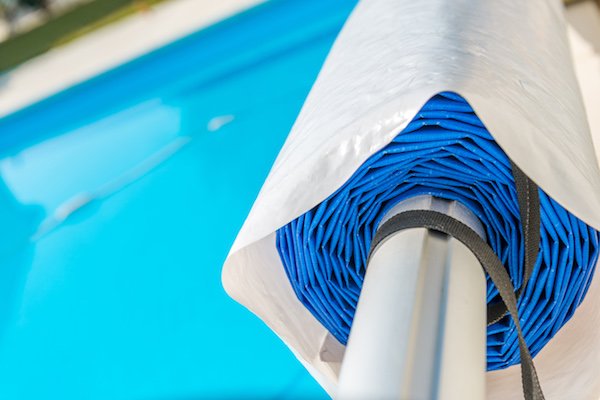
A pool cover works only when it is used correctly and consistently. Covering the pool at the right times and under the right conditions directly reduces heat loss and unnecessary water replacement.
How Evaporation Causes Energy Loss in Daily Use
Evaporation happens whenever the pool surface is exposed to air.
- Wind, sun, and temperature differences accelerate evaporation.
- Uncovered pools lose heat even when the heater is off.
- Nighttime exposure causes the highest heat loss.
- More evaporation means more cold water entering the pool system.
Choosing and Using the Right Type of Cover
Different covers serve different practical purposes.
- Solar covers: Use during warm months to limit evaporation during the day and overnight.
- Thermal blankets: Apply during cooler weather or at night to retain heat.
- Ensure the cover fits the pool surface with minimal gaps.
- Remove the cover before swimming to avoid drag and damage.
How Pool Covers Reduce Heating and Refill Demand
Covers reduce workload on pool systems rather than replacing them.
- Heaters run less frequently to maintain set temperatures.
- Pumps circulate less cold makeup water.
- Water levels remain more stable between top-offs.
- Chemical balance stays more consistent after refills.
When and How Often to Use a Pool Cover
Consistency matters more than duration.
- Cover the pool whenever it is not actively in use.
- Always use overnight, especially during cooler or windy conditions.
- Use during periods of low or no swimming activity.
- Remove and store properly to prevent tearing or deformation.
Choose Energy-Efficient Pool Heating Options
Pool heating is one of the most energy-intensive aspects of pool operation. Selecting the right heating system and using it correctly, can significantly reduce ongoing expenses. The goal is not maximum heat output, but steady temperature control with minimal energy input.
Compare Common Pool Heating Systems
Different heating systems suit different usage patterns and climates.
- Gas heaters: Heat water quickly and work well for occasional or short-term heating needs.
- Electric heat pumps: Transfer heat from the air to the water and operate efficiently over longer periods.
- Solar heating systems: Use sunlight to raise water temperature and are best for consistent, daytime heating.
Heat Pumps vs Gas Heaters (Efficiency Perspective)
Understanding how each system consumes energy helps control costs.
- Heat pumps use electricity but move heat rather than generate it.
- Gas heaters burn fuel to create heat, increasing operating costs with frequent use.
- Heat pumps perform best in moderate climates and with steady operation.
- Gas heaters are more suitable for rapid heating, not continuous temperature maintenance.
Set and Maintain an Efficient Water Temperature
Temperature settings directly affect energy consumption.
- Avoid heating the pool higher than necessary for comfort.
- Lower temperature settings reduce heater run time.
- Reduce or turn off heating during periods of low use.
- Adjust temperature seasonally to match weather conditions.
Improve Pool Filtration and Maintenance
Poor filtration and inconsistent maintenance force pool equipment to work harder than necessary, increasing energy use. Keeping filters clean and water balanced allows the pump to move water efficiently, reducing operating time and electrical load without changing pool performance.
Keep Filters Clean for Efficient Circulation
Dirty filters restrict water flow and increase pump resistance.
- Inspect filters regularly for debris buildup.
- Clean cartridge filters according to manufacturer guidance.
- Rinse filters before flow becomes noticeably reduced.
- Replace worn or damaged filter elements promptly.
Backwash Only When Necessary
Frequent backwashing wastes both water and energy.
- Backwash sand or DE filters only when pressure rises above normal range.
- Avoid routine backwashing on fixed schedules.
- Excessive backwashing removes effective filter media.
- Restore filter settings immediately after backwashing.
Maintain Proper Water Chemistry
Balanced water reduces strain on filtration and circulation systems.
- Keep pH and sanitizer levels within recommended ranges.
- Poor chemistry leads to algae growth and cloudy water.
- Algae and debris increase filtration load and pump run time.
- Test water regularly to prevent corrective overuse of equipment.
Reduce Pump Workload Through Consistent Maintenance
A well-maintained system requires less energy to operate.
- Clear skimmer baskets and pump strainers regularly.
- Remove leaves and debris before they enter the filtration system.
- Address small issues early to avoid heavy filtration cycles.
- Maintain steady water flow to prevent unnecessary pump stress.
Smart Automation for Energy Control
Automation helps reduce energy waste by ensuring pool equipment runs only when needed and at the correct settings. Instead of relying on manual operation, smart systems apply consistent schedules and adjustments that prevent overuse while maintaining proper pool performance.
Pool Timers and Basic Automation Systems
Timers provide simple control over daily equipment operation.
- Automatically turn pumps and heaters on and off at set times.
- Prevent equipment from running longer than necessary.
- Maintain consistent circulation schedules.
- Reduce the need for daily manual adjustments.
Smart Controllers for Pumps and Heaters
Advanced controllers allow precise system coordination.
- Adjust pump speeds based on filtration or cleaning cycles.
- Coordinate heater operation with pump activity.
- Prevent heating when circulation is insufficient.
- Adapt schedules based on usage patterns.
Monitor Energy Use Remotely
Remote monitoring improves control and accountability.
- Track pump and heater run times through mobile apps.
- Identify excessive operation or scheduling errors quickly.
- Make adjustments without being physically present.
- Detect abnormal energy usage before costs increase.
Automation vs Manual Control
Understanding the difference helps decide if automation is worthwhile.
- Manual control relies on consistent user attention.
- Missed shutdowns often lead to wasted energy.
- Automation applies the same settings every day.
- Smart systems reduce human error in energy management.
As you apply these energy-efficient strategies to your pool, you’ll not only lower operating costs but also enhance comfort, performance, and long-term enjoyment of your outdoor space. Whether you’re planning a new pool or looking to upgrade your existing system, making smart choices today leads to lasting savings and smoother operation.
Connect with Hawaiian Pool Builders today and let our experts help you design or upgrade a pool that works efficiently, beautifully, and effortlessly.