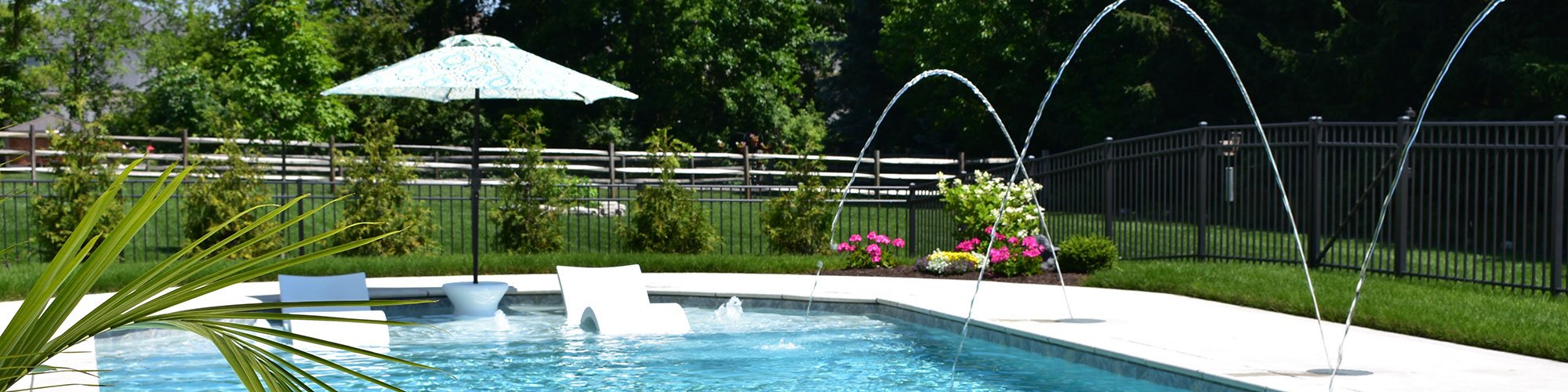
Owning a pool isn’t just about sunshine, splashes, and summer fun, it’s also about balance. Behind that inviting blue water lies a delicate blend of science and care that keeps every swim safe, clear, and comfortable. Understanding pool chemistry might sound intimidating, but it’s really as simple as learning your ABCs. Once you grasp how each chemical plays its part, keeping the water clean, the pH steady, and your equipment protected, you’ll see that maintaining your pool is less about complicated formulas and more about consistency. Think of it as learning the language of your backyard oasis, one letter at a time.
Alkalinity and Acidity: The Balancing Act
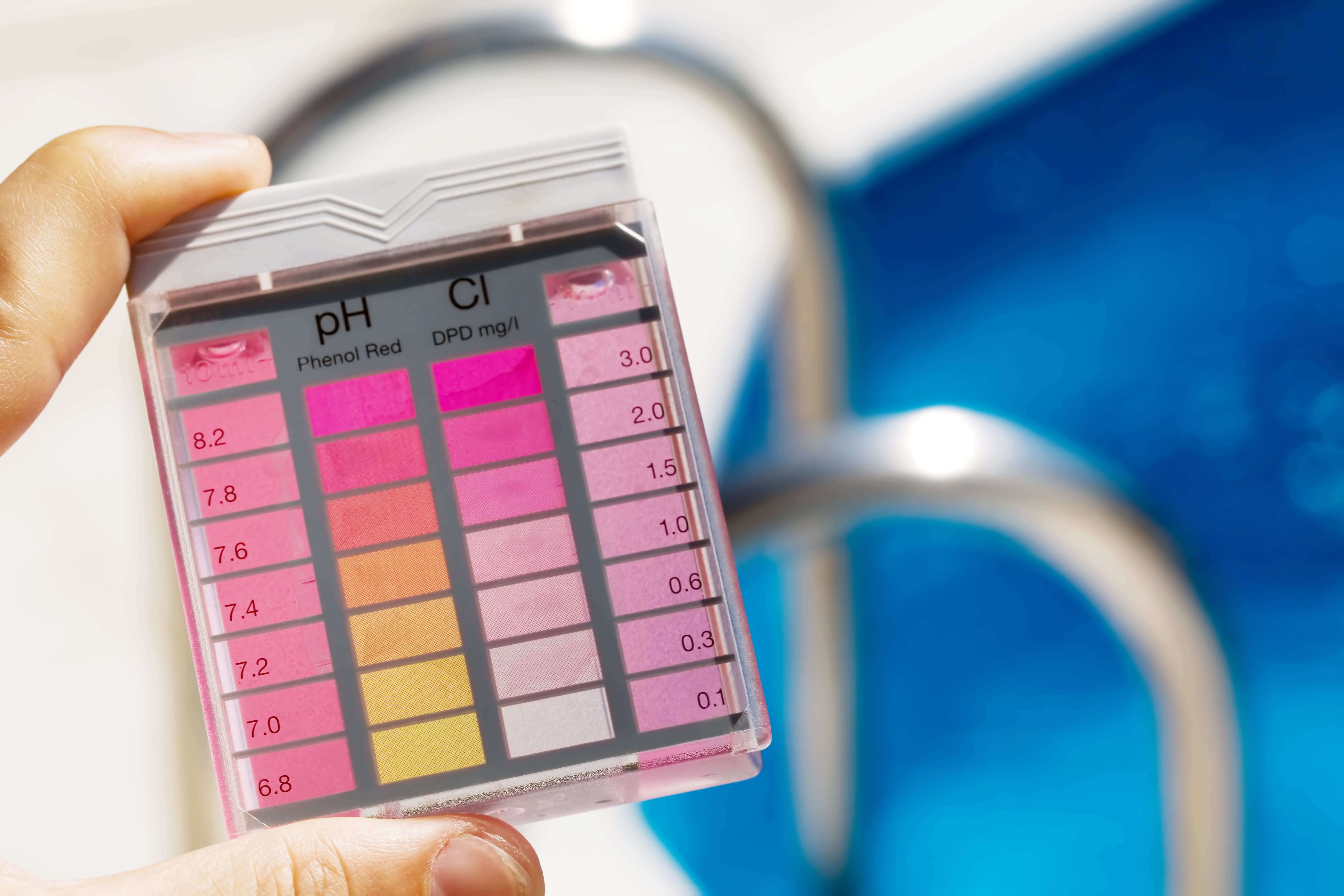
When it comes to pool chemistry, alkalinity and acidity work hand in hand to keep your water comfortable and your pool equipment in good shape. Together, they determine the pH balance, the measure of how acidic or basic your water is. Proper balance ensures sparkling water that’s gentle on swimmers and protective of your pool’s surfaces and systems.
Ideal Chemical Levels
Maintaining the right chemical range is essential for clear, comfortable, and stable water:
pH Level: 7.4–7.6
(Slightly above neutral for optimal comfort and sanitization efficiency.)
Total Alkalinity: 80–120 ppm
(Acts as a buffer to prevent rapid pH fluctuations.)
Why It Matters
A pool’s chemistry can quickly shift if pH or alkalinity falls out of balance. Here’s what happens when it does
Low pH (Too Acidic)
- Causes corrosion in metal fixtures, ladders, and heaters.
- Irritates swimmers’ eyes and skin.
- Can erode grout, tile, and pool liners over time.
High pH (Too Basic)
- Leads to cloudy water and scale buildup on surfaces and filters.
- Reduces chlorine effectiveness, allowing algae to thrive.
- Can make the water feel slippery or uncomfortable.
How to Adjust Levels
Fine-tuning your pool’s chemistry doesn’t require guesswork, just the right tools and timing:
To Raise pH or Alkalinity
- Add baking soda (sodium bicarbonate) to boost alkalinity.
- Use soda ash (sodium carbonate) to increase pH.
To Lower pH or Alkalinity
- Use muriatic acid or sodium bisulfate (dry acid).
- Make sure to carefully follow product directions.
Environmental Influences
- Rain, heat, and frequent pool use can all disrupt the delicate balance of your water:
- Rainwater tends to be acidic, lowering pH levels.
- High swimmer load introduces body oils and contaminants that alter alkalinity.
- Evaporation and topping off with tap water can gradually increase total dissolved solids, affecting balance.
Balance and Sanitization: Keeping Water Clean and Clear
Clean, safe pool water depends on proper sanitization. Sanitizers, most commonly chlorine are responsible for killing bacteria, algae, and other harmful microorganisms that can make your pool unsafe or unsightly. Whether added manually or generated automatically, chlorine acts as the first line of defense in maintaining healthy, sparkling water.
Chlorine Pools vs. Saltwater Systems
| Feature | Chlorine Pools | Saltwater Pools |
| How It Works | Chlorine tablets or liquid are added manually. | Saltwater generator converts salt into chlorine. |
| Initial Cost | Lower setup cost. | Higher upfront investment. |
| Maintenance | Requires frequent testing and manual dosing. | Automated chlorine production with minimal upkeep. |
| Water Feel | Can be harsh on skin and eyes. | Softer, smoother, and gentler on swimmers. |
| Odor | Noticeable chlorine smell. | Mild or no chlorine odor. |
| Equipment Wear | Less corrosion risk. | Salt may corrode metal parts if not managed. |
| Chemical Handling | Direct handling of chlorine products. | Minimal chemical handling required. |
| Ongoing Cost | Regular purchase of chlorine supplies. | Occasional salt cell replacement every few years. |
Other Key Players in Water Balance
Stabilizers (Cyanuric Acid):
- Protect chlorine from sunlight degradation.
- Without stabilizer, UV rays can break down chlorine within hours, making it ineffective.
- Ideal range: 30–50 ppm.
Borates:
- Helps stabilize pH
- Prevent algae growth
- Enhancing overall water clarity and smoothness.
- Often used as a long-term conditioning agent.
Maintaining Chemical Balance
- Even the best sanitizing system can falter without consistency. To keep your pool water clean and irritation-free:
- Test chlorine and pH levels at least twice a week during swim season.
- Shock the pool periodically to eliminate organic buildup and restore chlorine efficiency.
- Clean filters and circulate water to ensure even distribution of chemicals.
- Avoid over-chlorination, which can lead to skin irritation, cloudy water, and a strong chemical odor.
Calcium, Cleaning, and Clarity
Calcium hardness plays a crucial role in keeping your pool water balanced and your surfaces protected. It measures the concentration of dissolved calcium in your water, too little, and the water becomes aggressive, too much, and it turns cloudy and scaly. Maintaining the right level keeps your pool structure, plumbing, and equipment in top condition.
Ideal Calcium Range
Recommended Level: 200–400 ppm
(Vinyl and fiberglass pools can stay on the lower end; concrete or plaster pools should stay on the higher end.)
What Happens When Calcium Is Out of Balance
Low Calcium (Too Soft):
- Causes corrosion of metal fittings and equipment.
- Leads to etching or pitting on plaster or concrete surfaces.
- Can make the water feel “hungry,” leaching minerals from pool walls.
High Calcium (Too Hard):
- Promotes scaling on pool walls, heaters, and filters.
- Creates cloudy water and rough pool surfaces.
- Reduces the efficiency of heating elements and pumps.
How to Adjust Calcium Hardness
- To Increase Calcium: Add calcium chloride according to product directions, dispersing it evenly across the pool surface.
- To Decrease Calcium: The only reliable way is dilution, partially drain and refill the pool with fresh water that has lower calcium content.
Cleaning and Circulation: The Hidden Partners of Clarity
Even with perfect chemistry, water won’t stay clear without proper cleaning and movement. Balanced water chemistry works best when supported by:
- Consistent Filtration: Run your pump and filter daily to remove microscopic debris.
- Regular Skimming: Remove leaves, insects, and surface debris before they sink and decompose.
- Vacuuming: Keep the pool floor clean to prevent buildup of dirt and algae.
- Brushing Walls: Prevent scaling, stains, and biofilm formation on surfaces.
Defense Against Contaminants
No matter how pristine your pool looks, it’s constantly exposed to elements that can disrupt its chemical balance. From rain and wind to leaves, dust, and sunscreen, every drop and particle that enters the water can introduce contaminants.
Environmental Factors That Affect Pool Chemistry
Rainwater
- Naturally acidic, with a pH often below 7.0.
- Dilutes pool chemicals, reducing sanitizer strength.
- Promotes metal corrosion and liner staining if not corrected.
Debris and Dirt
- Leaves, twigs, pollen, and soil introduce organic matter that feeds algae and bacteria.
- Can clog filters and reduce circulation efficiency.
Sunlight and Heat
- UV rays break down chlorine faster, especially in uncovered pools.
- Higher temperatures accelerate bacteria and algae growth, increasing sanitizer demand.
Swimmer Contaminants
- Body oils, lotions, sweat, and cosmetics contribute to chemical imbalances.
- Heavy pool usage spikes chlorine consumption and cloudiness.
Preventive Defense Strategies
Test and Treat Regularly
- Check pH, chlorine, and alkalinity after storms or heavy use.
- Use a pool shock treatment weekly to oxidize organic buildup and restore sanitizer effectiveness.
Embrace Filtration and Circulation
- Run your pump at least 8–12 hours daily during peak season to keep water moving.
- Backwash or clean filters regularly to remove trapped debris and prevent contamination.
Cover Up When Not in Use
- Use a solid or mesh pool cover to block debris and minimize chemical loss.
- During swim season, consider liquid pool covers that form a microscopic layer to reduce evaporation and stabilize temperature.
Manage Runoff and Surroundings
- Trim overhanging trees and bushes to reduce falling leaves and pollen.
- Redirect landscape runoff to prevent dirt or fertilizers from entering the pool.
Everyday Safety with Pool Chemicals
Pool chemicals keep your water clean, clear, and safe but when handled incorrectly, they can pose risks to your health and property. Understanding how to properly store, handle, and use these products ensures both effective pool care and a safe backyard environment.
Safe Storage Practices
Proper storage extends the life of your chemicals and prevents dangerous reactions:
- Cool, Dry, and Ventilated: Store chemicals in a shaded, dry area away from direct sunlight and moisture.
- Original Containers Only: Never transfer chemicals to unlabeled or household containers.
- Keep Containers Sealed: Close lids tightly after each use to prevent spills or fumes.
Separate and Secure
- Store oxidizers (like chlorine) away from acids, solvents, or flammable products such as paint or gasoline.
- Keep all products out of reach of children and pets.
- Check Expiry Dates: Dispose of old or unidentified chemicals following local regulations.
Safe Handling Guidelines
When it’s time to treat your pool, take a few extra seconds to handle chemicals carefully:
- Read Labels Every Time: Follow the manufacturer’s instructions and recommended dosages exactly.
- Protective Gear: Wear gloves, safety glasses, and old clothing when measuring or pouring.
- Add Chemicals to Water, Never the Other Way Around: This prevents splashing and dangerous reactions.
- Good Ventilation: Use chemicals outdoors or in open spaces to avoid inhaling fumes.
- No Mixing: Never combine different chemicals unless explicitly directed on the label, certain combinations can cause fires or release toxic gases.
- Avoid Heat and Flames: Keep chemicals away from open flames, smoking areas, and pool heaters.
In Case of Spills or Accidents
Quick action can prevent small incidents from becoming emergencies:
- For minor spills, clean immediately with dry tools and dispose of the material properly, never return it to the container.
- If a chemical contacts your skin or eyes, rinse immediately with clean water for at least 15 minutes.
- If there’s a major spill or inhalation issue, leave the area, avoid breathing fumes, and call 911 for assistance.
Fun Facts: Pool Chemicals Beyond the Backyard
| Chemical | Pool Use | Food or Everyday Use |
| Calcium Chloride | Raises calcium hardness and protects pool surfaces. | Keeps pickles crisp, cheese smooth, and canned veggies firm. |
| Alum | Clears cloudy water by clumping fine particles. | Firms pickles and helps baked goods rise. |
| Borates | Keep pH steady and prevent algae. | Act as mild preservatives and improve food texture. |
| Baking Soda | Balances pH and alkalinity. | Makes cakes fluffy, tenderizes meat, and cleans produce. |
| Copper | Stops algae and supports water balance. | An essential nutrient for blood and metabolism. |
| Soda Ash | Raises pH and prevents corrosion. | Enhances color and texture in pasta and pretzels. |
| Iron | Prevents staining and supports filtration. | Adds nutrients and boosts oxygen in the body. |
Understanding pool chemistry doesn’t have to be complicated. Once you learn the basics, you can keep your water clean, balanced, and inviting all season long. A little knowledge and regular testing go a long way toward maintaining a healthy, sparkling pool.
Keep your pool crystal clear and worry-free with expert care from Hawaiian Pools, where perfect water starts with professional balance.