Maumee has been our home for many years with our office located at 825 Ford Street in Maumee. We invite you to visit our showroom to see the vast array of choices for your custom backyard pool in Maumee. Continue Reading
About hawaiianpoolbuilders

Saltwater Pools Vs Chlorinated Pools
Making the Perfect Choice for Your Backyard Oasis
Choosing to install a swimming pool is an exciting investment, but one of the most important decisions you’ll make early on is how your pool will be sanitized. For decades, traditional chlorine pools have been the standard. More recently, saltwater pools have surged in popularity, offering a different approach to water care that many homeowners find appealing.
Both options ultimately use chlorine to keep your pool clean and safe, but they do so in different ways. Understanding how each system works – along with the advantages and drawbacks of both – can help you decide which is the best fit for your lifestyle, budget, and long-term expectations.
How Chlorine Pools Work
A traditional chlorine pool relies on manually added chlorine – typically in tablet, liquid, or granular form – to sanitize the water. Chlorine is a powerful disinfectant that effectively kills bacteria, algae, and other harmful microorganisms.
Advantages of Chlorine Pools
- Proven effectiveness: Chlorine has been used for decades and remains one of the most reliable ways to keep pool water clean and safe.
- Lower upfront cost: Chlorine pools generally cost less to install since they don’t require a salt chlorine generator.
- Simple system: Adding chlorine and testing water chemistry is straightforward and familiar to many pool owners.
- Widely available supplies: Chlorine products are easy to find and relatively inexpensive.
Disadvantages of Chlorine Pools
- Harsher on skin and eyes: Chlorine can cause red eyes, dry or itchy skin, and irritation for swimmers with sensitivities.
- Strong odor: The familiar “chlorine smell” is often caused by chloramines, which form when chlorine reacts with contaminants.
- More hands-on maintenance: Chlorine levels must be tested and adjusted regularly to avoid cloudy water or algae growth.
- Fading and wear: Over time, chlorine can fade swimsuits, pool liners, and even surrounding materials.
How Saltwater Pools Work
Saltwater pools use a salt chlorine generator to convert dissolved salt into chlorine through electrolysis. While they still rely on chlorine for sanitation, the process delivers it continuously and in lower concentrations.
Advantages of Saltwater Pools
- Softer, more comfortable water: Many swimmers notice smoother-feeling water that is gentler on skin, eyes, and hair.
- Lower chlorine exposure: Because chlorine is generated steadily, levels tend to be more consistent and less harsh.
- Reduced chemical handling: You’re not regularly pouring or storing chlorine products.
- Lower day-to-day maintenance: Saltwater pools are more forgiving if you’re away for a few days, as the system continues producing chlorine.
- Appealing for frequent swimmers: Those who use their pool often often prefer the more natural feel of saltwater.
Disadvantages of Saltwater Pools
- Higher upfront cost: The salt chlorine generator adds to the initial investment.
- Ongoing equipment replacement: The generator cell typically needs replacement every few years.
- Potential corrosion: Salt can accelerate wear on certain metals and pool components if the system isn’t properly balanced.
- Salt exposure to landscaping: Splash-out or backwash water can damage nearby plants if not managed carefully.
Key Factors to Consider Before Choosing
When deciding between a saltwater or chlorine pool, consider these practical factors:
- Budget: Chlorine pools cost less upfront, while saltwater pools may save money over time through reduced chemical purchases.
- Maintenance style: If you prefer a more automated system with fewer adjustments, saltwater may be a better fit.
- Skin sensitivity: Families with sensitive skin or eyes often prefer saltwater pools.
- Long-term ownership: Consider replacement costs, energy use, and potential wear on pool components.
- Usage frequency: Heavily used pools often benefit from the consistent sanitation of saltwater systems.
Making the Right Choice for Your Pool
There is no one-size-fits-all answer. Chlorine pools remain a reliable, cost-effective choice with proven performance. Saltwater pools offer a more comfortable swimming experience and reduced hands-on maintenance, but require a higher initial investment and proper system care.
The best pool is the one that aligns with how you plan to use it, how much maintenance you want to handle, and what kind of swimming experience matters most to you and your family. A knowledgeable pool professional can help you evaluate your options and design a system that fits your backyard and lifestyle for years to come.
Perrysburg Swimming Pools
Swimming Pools in Perrysburg
While Perrysburg does have a city swimming pool and pond, Hawaiian Pool Builders has designed and created many custom swimming pools in Perrysburg for its residents. Continue Reading
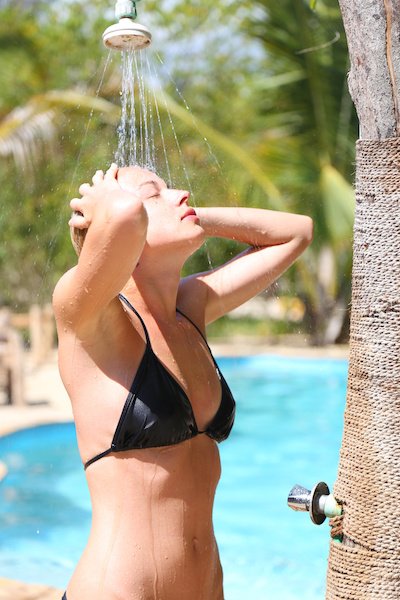
Shower Before You Swim
It’s likely that you’ve seen signs at community pools, health clubs and hotels that ask you to shower before you swim in the pool. Chances are, most people don’t do it – it seems counter-intuitive. After all, you’re jumping into the water. But have you ever wondered why they suggest it?
There are a few reasons why taking a shower before entering a pool is recommended: Continue Reading
Findlay Swimming Pools
Hawaiian Pool Builders: Findlay Swimming Pools
Findlay is a very patriotic community; proud of its official designation as Flag City, USA, providing flags for many important events in our nation’s history. While Findlay is deservedly proud, Hawaiian Pool Builders is equally proud of their swimming pools in Findlay. Continue Reading
Holland Swimming Pools
Holland is home to quite a number of Hawaiian Pool Builders designs. Both gunite and fiberglass pools have been added to Holland homes. Continue Reading

Use A Heat Pump To Warm Your Pool Water
As a pool owner, you already know that sometimes the seasons can be shorter than expected, or want. With that in mind, perhaps you are considering the installation of a heat pump for your swimming pool. A heat pump is an eco-friendly, energy-efficient heating option for those cooler evenings.
One of the main advantages of purchasing a heat pump for your pool is that it allows you to extend your swimming pool season, and to enjoy your pool even in the winter months. This is especially helpful in our area, as even the evenings during the summer can be unseasonably cool. Continue Reading
Sylvania Swimming Pools
Hawaiian Pool Builders has designed custom pools in Sylvania for many years. Continue Reading
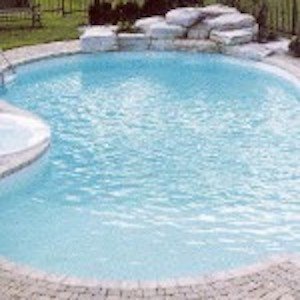
How To Choose The Ideal Pool Shape
Selecting the perfect pool shape involves more than just aesthetics; it’s about harmonizing function with your outdoor space. From classic rectangles to free-flowing organics, each silhouette offers a unique blend of style and utility. Dive into this guide to navigate the depths of pool design and discover the ideal shape to make a splash in your backyard sanctuary. Continue Reading

Budgeting For Your Swimming Pool Project
Diving into the world of pool projects can be as exhilarating as that first splash on a scorching summer day. Yet, amidst the excitement lies a critical factor: budgeting. Like a skilled swimmer mapping out their strokes, crafting a solid financial plan is the key to navigating the depths of pool construction without sinking. So, before you dive headfirst, let’s break down the dollars and cents of bringing your aquatic dreams to life. Continue Reading